Kids Beginners Martial Arts at Condition 1 Combat Center Spring TX
Families in Spring often start their search with a simple phrase, martial arts classes near me, then drown in options that look identical on paper. What matters is not the logo or the belt colors. It is the teaching quality, the culture on the mat, and the way a school helps children bridge the gap between class and daily life. At Condition 1 Combat Center in Spring, TX, the kids beginners program was built for exactly that bridge. I have watched first day nerves settle into steady breathing, tense shoulders relax, and choppy movements turn into clean basics as coaches reinforce one thing above all else: consistency over flash.
What beginners really need at ages 5 to 12
Children do not need spinning kicks or movie choreography as a starting point. They need fun, structured repetitions that grow balance, coordination, and listening skills. The developmental gaps from ages 5 to 12 can be wide, so a good beginners curriculum meets students where they are. At Condition 1, groups run by age band and maturity level rather than only by belt color. That keeps instruction relevant. A six year old learning stance and distance cannot process the same detail load as a tween who reads body cues faster and can handle light contact drills.
There is a rhythm to first month progress when coaching is tight. Week one, kids learn how to line up, bow in, and keep hands up. Week two, they start to check distance without flinching. Week three, they find their stance under light pressure. By week four, the same child who stared at their own shoes is making eye contact during mitt work. That arc is intentional, not accidental.
The coaching approach that keeps kids engaged
Condition 1 Combat Center trains coaches to teach, not just demonstrate. That is a distinction you feel in the way classes flow. Every drill has a clear why. You will hear phrases like, punch goes to the nose line, feet set before you fire, eyes up when you sprawl. No yelling theatrics, just sharp cues delivered at kid height, both literally and emotionally.
New students begin with an orientation that covers mat etiquette, safety taps, and how to partner kindly. The first few classes mix individual skill stations with short partner drills so kids build confidence alone, then test it with a teammate. Coaches move constantly, correcting small details with one or two words, then stepping back to let the child try again. That loop creates fast wins without sugarcoating mistakes.
What the kids beginners curriculum includes
Condition 1 teaches a hybrid beginner curriculum that draws from boxing, kickboxing, and Brazilian Jiu Jitsu fundamentals. The mix gives kids tools standing and on the ground, plus a more complete understanding of distance and control. A typical beginners block includes:
- Footwork basics, stance switching, and guard retention.
- Straight punches, low kicks, and simple defensive shields.
- Clinch entries that keep heads safe and hands connected.
- Positional control on the ground, like mount and back control, along with safe escapes.
- Takedown awareness that emphasizes posture first and impact second.
These skills are layered with games that build reaction time without turning class into chaos. When I say games, I do not mean aimless free-for-all. Think of sumo circle footwork to learn lateral movement, shadow tag to teach angle changes, or grip fights with clear release rules to teach safety habits.
Safety standards parents can see
Parents can, and should, look for evidence of safety in every class. Condition 1’s kids area uses high density mats that tie properly, wall padding near corners, and clear buffer zones where students sit when they are not drilling. Contact for beginners stays under a coach’s eye, and protective gear like mouthguards and gloves come in by the time kids throw punches with partners.
More important is how coaches frame safety. Kids practice how to tap verbally and physically. They learn to stop immediately when a partner taps or a coach calls freeze. They are taught to reset breathing after a scramble. These are concrete behaviors, not slogans about respect. Good schools build safety into the muscle memory of the class.
Building grit without breaking spirits
Parents want confidence, and kids want fun. You get both when expectations are consistent. A quiet child needs time to warm up, but they also need gentle nudges toward speaking up during drills. A high energy child needs outlets, but they also need firm lines on when to focus. Coaches at Condition 1 pick their battles and praise effort that can be repeated, not just outcomes. I once watched a coach give a student a stripe not for landing a perfect combo, but for keeping their hands up for an entire round after weeks of reminders. That says more about long-term progress than a flashy kick on a good day.
Grit shows up in small places. Finishing the last shuttle run at the same pace as the first one. Holding a plank for ten more seconds than last week. Returning to a guard recovery drill that frustrated them the class before. These are the reps that reshape a child’s self-image, from I can't to I can with practice.
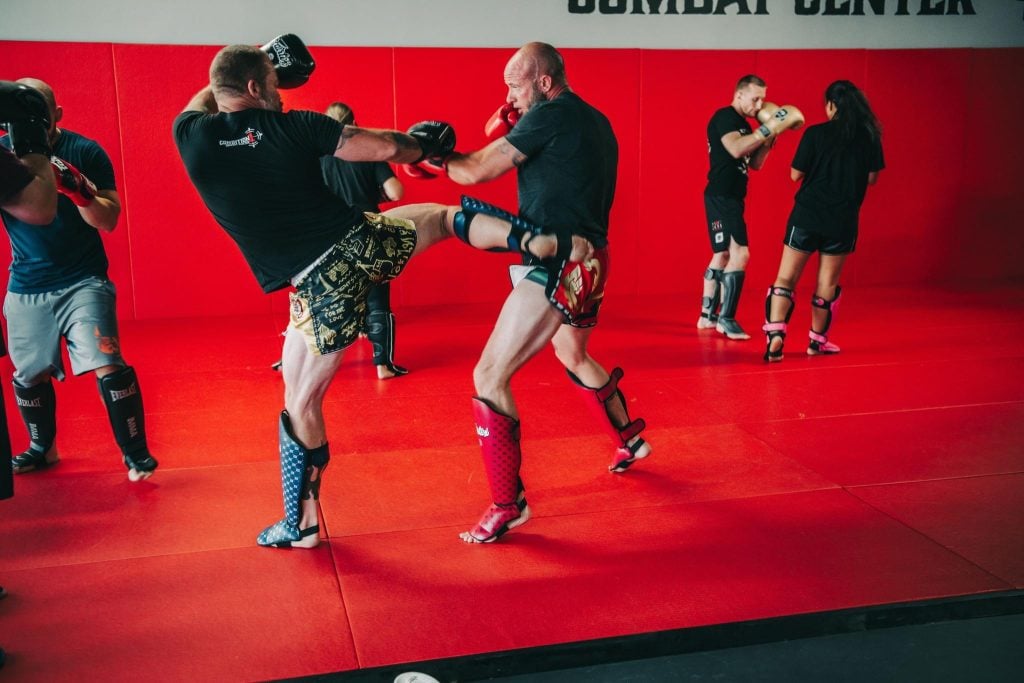
What a first month looks like
The first 30 days serve three goals: learn the space, learn the rules, learn the base. Kids practice entering class on time, lining up by row, and recognizing coaching cues like reset, partner up, and breathe. They learn simple combinations, then test those combinations with focus mitts or paddles. Ground classes keep the bottom positions non-threatening in the beginning, using turtle and guard as safe bases before trying sweeps or submissions.
Expect some bumps. A shy child may tear up the first time they get stuck in bottom position. A confident child might laugh too long after winning a game and forget to show control. That is normal. Coaches will correct the behavior and then move on fast, which prevents small moments from turning into identity labels.
Class structure that makes sense for busy families
Condition 1 Fitness classes in Spring TX, including the kids beginners blocks, run at consistent times that busy parents can memorize. Most families pick two training days per week and stick with them. That cadence is ideal for ages 5 to 12. Three days can work during school breaks or when a child shows they are ready. The gym keeps classes short enough for focus, usually 45 to 60 minutes for beginners, with warm ups that feel like play and technical blocks that get right to the point.
If after school martial arts classes fit your schedule better, the staff can help slot your child into late afternoon sessions. Weekend martial arts classes exist for families juggling shift work or multiple sports. Private martial arts classes are an option when a child needs a quieter environment or a boost before a belt test. The team at Condition 1 is used to mapping family calendars and finding a workable plan.
Affordable, local, and worth the drive
Affordability means different things to different households. The number that matters most to me is what you receive per month in terms of coaching consistency, student-to-coach ratio, and class frequency. Condition 1 Combat Center focuses on structured memberships with transparent pricing. You will not find add-on fees hidden behind the front desk. If testing or uniforms carry a cost, staff tell you early, in writing, and with enough https://anotepad.com/notes/6qcfxdqi lead time to plan.
If you are comparing local martial arts classes across Spring and nearby neighborhoods, measure drive time against the experience on the mat. A 12 minute drive to a place that holds your child’s attention, communicates well, and honors your budget is often better than a 4 minute drive to chaos. Families frequently discover Condition 1 by searching condition1combat.com for Condition 1 Fitness classes in Spring TX, then schedule a visit to see the difference firsthand.
How beginners progress without pressure
Belt or band systems can motivate kids, but only when tied to habits. Condition 1 uses skill checklists that include technical, behavioral, and attendance markers. Kids do not move up because they are tall or loud. They move up because they show repeatable basics, control under light pressure, and kindness to partners. Some children fly through early ranks. Others need more time in the base layers. The staff communicates that clearly, so kids celebrate progress without comparing timelines.
When a student stalls, coaches adjust one variable at a time. Smaller class for a week. More reps with a coach holding pads. A specific home drill of 10 minutes, three days a week, for two weeks. That targeted approach avoids vague advice like try harder, which rarely helps a child solve a real skill gap.
The family piece
Family martial arts classes exist at Condition 1 for parents who want to train alongside their kids, often in back-to-back sessions so schedules align. Adults ask the same questions kids ask, just framed differently. Is this safe for my knees. Can I learn even though I have never done this. The adult beginners program mirrors the kids approach, with an emphasis on technical cleanliness over speed. Training together changes how families talk at home. Arguments taper when everyone learns to breathe through tension. Siblings find constructive rivalry in stripe challenges rather than in screen time battles.
If you are not training yourself, your role still matters. Show up, stay visible, and let the coaches coach. A quick thumbs up during a tough drill does more than shouting technique from the bleachers. Ask your child about one thing they learned after each class. Write it down for the first month. You will see patterns of growth.
Who this program is perfect for
- Kids ages 5 to 12 who are new to martial arts and benefit from clear structure and positive coaching.
- Families looking for a steady after school activity that builds discipline without killing the joy of movement.
- Parents who value transparent communication and a safe, well-run facility.
- Children who need confidence, whether they are shy, highly energetic, or somewhere between.
- Households balancing multiple activities that need reliable scheduling, including weekend and private lesson options.
A realistic view on self-defense for kids
Parents often ask how fast their child will be able to defend themselves. There is no honest one-size answer. In eight to twelve weeks, a beginner can learn to keep distance with a good stance, cover their head under pressure, and get up safely from the ground. That alone changes outcomes on playgrounds or at parks. Real self-defense for children also means knowing when to walk away, how to speak to adults confidently, and how to alert someone fast. Condition 1 coaches practice scenario drills that look like real life, not movie fights. Think of backing up with hands up while using a loud voice, or breaking free from a basic wrist grab and moving to a safe adult.
What to look for on your first visit
A good gym feels organized but warm. You should see coaches greeting kids by name, pads and gloves in order, and a class flow that moves without long dead zones. Watch how coaches correct students. Are they concise and calm. Are they showing a fix, not just pointing out a flaw. Check bathrooms and water stations. Small details reflect big habits.
Parents browsing Condition 1 Fitness classes in Spring TX through condition1combat.com will find current schedules and contact options. Use them. Ask about trial classes. Ask about gear rentals for the first month, so you are not buying every piece of equipment on day one. Ask about waitlists if a time slot is full, but also ask about comparable classes on different days.
A day in the life of a beginners class
Late afternoon, kids trickle in, shoes off at the door, uniforms or athletic wear clean and simple. Coaches take quick attendance while the first group starts a movement warm up: animal walks, lateral shuffles, fast hands on the line. Dynamic mobility blends into a focused technical block. Today’s standing skill might be jab, cross, check, return. Pads pop, feet step, coaches cue eyes up and reset the guard. On the ground, partners practice a mount escape. Hips bridge, hands frame, kids learn to protect the neck and move their bodies rather than thrash. The final minutes often hold a game-based drill that reinforces the day’s concept. Freeze tag with angle steps is more than fun, it teaches how to stop and restart on command.
Class ends as it began, with a tidy bow out and a single, specific challenge to try at home. Not a vague practice your kicks, but 20 jabs in the mirror keeping your rear heel down, three days this week. That clarity helps families support training without turning the living room into a dojo.
A note on behavior and neurodiversity
Not all kids process cues the same way. Some thrive when they see before they hear. Others need a consistent routine to feel safe enough to try hard. Experienced coaches notice these differences early. At Condition 1, staff frequently use visual anchors, short verbal cues, and tactile feedback with permission. If your child has an IEP or any diagnosis that impacts attention or sensory load, share it. The goal is not to separate them from the group, it is to give them the right door into the same room. Private sessions can accelerate confidence, then the student shifts back into group classes without feeling behind.
What to bring and how to make the first weeks easy
- Athletic wear that is easy to move in, or the beginner uniform if you already picked one up.
- Water bottle with a name on it.
- Clean indoor-only shoes if required by the facility, otherwise bare feet on the mat.
- Mouthguard once partner contact begins, plus light gloves or shin guards as advised by the coach.
- A small notebook or phone note for parents to track class days and home drills.
Small habits matter. Arrive 10 minutes early so your child has time to switch gears from car to class. Feed them a light snack one hour before class, not right as they step on the mat. Leave screens in the car. The brain shifts faster when the environment promotes presence.
How to choose between kids, adult, and family tracks
Some parents ask whether their child should start in kids martial arts classes or jump straight into family sessions. The answer depends on maturity, not age alone. Many kids benefit from peers-only time where they can be fully themselves. Family classes work best when both parent and child sincerely want that shared time, not when a parent hopes to supervise while training. If you plan to train yourself, adult martial arts classes at Condition 1 follow a logical, safe path for true beginners, which any parent can handle regardless of background.
Beginners martial arts classes are a phrase you will see a lot on school websites, and for good reason. Starting fresh should feel accessible. A child stepping into a carefully structured kids class, and a parent stepping into an adult fundamentals class next door, both deserve the same patient standards. Condition 1 keeps those standards aligned.

The first belt test
The word test spooks some kids and excites others. At Condition 1, early rank evaluations look like a normal, slightly longer class, with skill check stations and partner drills where coaches quietly score consistency. There is no public shaming for a missed technique and no hype machine for a passed one. Kids who are ready move up. Kids who are close get a clear plan that targets two or three skills, with a check-in date. Parents receive feedback that is plain, not coded. Expect statements like, needs to keep their guard up in the second round when they tire, or, shows clean mount control but must recognize the tap faster. That specificity sets the tone for real growth.
How much contact to expect
For beginners, contact is minimal and controlled. Pads and shields take most of the force. Partner drills start with touch-and-freeze formats. Grappling positions focus on frames, posture, and space-making before submissions show up. As kids demonstrate control, intensity increases in small steps. If your child has sports from other seasons, talk to the coaches. They can adjust contact levels around seasons, especially if your child is also doing soccer or baseball and you want to manage fatigue.
What happens if your child loses interest
It happens. The novelty wears off. A classmate moves away. A growth spurt knocks coordination out of sync for two months. Coaches at Condition 1 expect these cycles. They will shake up drills, adjust partner assignments, or recommend a temporary focus on a different skill track, like more striking than grappling or vice versa. Sometimes a single private session resets a child’s confidence. Sometimes a simple sticker chart for attendance reignites commitment. The key is keeping communication open. If you feel a slump coming, talk to the front desk or shoot a note through condition1combat.com. Together you can plan an intervention that feels supportive, not punitive.
Getting started
The simplest path is to schedule a visit, watch a class, and let your child step on the mat for a trial. Families often find Condition 1 Combat Center by searching Condition 1 Fitness classes in Spring TX, or they land on the schedule through condition1combat.com and pick a time that fits school pickup. When you arrive, expect a quick welcome, a tour, paperwork that covers liability and photo policy, then a friendly handoff to the coaching staff. You will not be left guessing where to sit or what to watch.
If you are choosing between several affordable martial arts classes around town, spend thirty minutes inside each space. You will feel the difference. Look for eye contact, clean instruction, and a coach-to-student ratio that stays sane. Ask how they handle missed classes and how often they re-evaluate beginners. Ask about weekend options if weekdays are tight. Quality, local instruction is worth committing to, especially when the culture matches your family’s values.
The bigger picture
Martial arts can be more than an activity. For many kids it becomes a lens for handling stress, a way to understand that bodies get stronger with practice and minds get steadier with breath. That confidence spills into classrooms, kitchens, and sidewalks. It shows up when a child chooses to speak kindly without being a pushover. It shows up when they fall, get up, and try again, whether they are on the mat or on a bike.
Condition 1 Combat Center is not the only place to find solid training in Spring, but it is one of the few that pairs strong technical coaching with a family-friendly, no-drama environment. If you are weighing kids martial arts classes, adult options for yourself, or even family sessions that bring everyone onto the same page, it is worth a visit. The staff will meet your child at their level, set clear expectations, and guide them at a pace that feels challenging but fair.
And if you are the parent reading this after a long day, wondering if you can manage another drive, know this: the first step usually creates energy rather than drains it. Once a routine sets, two days a week becomes part of the family rhythm. It looks like shoes off at the door, a quick wave toward the mat, and a kid who knows exactly where they belong.