How Boxing Gym Condition 1 Combat Center Improves Your Athleticism
Walk into any serious boxing space at peak hours and you can feel it. There is rhythm in the jump ropes, crisp pop on the mitts, short commands from a coach across the room, and a steady current of work ethic. A good boxing gym does more than teach punches. It builds athleticism from the ground up. If you train at a place like Condition 1 Combat Center, you get that full spectrum of development. Not just sweat for the sake of sweating, but skills and physical qualities that carry into everything else you do.
Athleticism, defined the way a coach sees it
When coaches talk about athleticism, we are pointing to a bundle of traits, not a single score. Strength and power matter, but so do repeat sprint ability, joint control under fatigue, change of direction speed, vision, and poise when things get chaotic. Boxing stresses these qualities in a unique way. Three minute rounds teach you to pace, react, and make decisions while your heart rate sits in the mid to high zones. You learn to produce quick force but keep your movements crisp and efficient. That pairing of intent and control is where real athletic development lives.
Boxing also nudges your nervous system in ways most gym circuits do not. Simple drills like double-end bag rounds or partner slip and counter sequences build timing and visual tracking. Over time, your brain gets better at sorting signal from noise, deciding what matters and acting on it before you even process why. For a soccer winger or a firefighter, that economy of reaction shows up immediately on the job.
Footwork first, because feet decide the fight
People focus on hands, and they miss the engine. Boxing footwork plants every other quality. The stance demands loaded hips, stable knees, and light, responsive feet. You get countless micro-adjustments each round. Slide in without crossing your feet, cut an angle, shift weight without collapsing your arch. Those little movements make you faster even when you are not thinking about speed.
At a focused boxing gym like the Condition 1 Combat Center boxing gym, warm-ups often include controlled lateral steps, low shuffles, jump rope ladders, and stance holds with quick exits. The payoff shows up outside the ring too. A flag football player finds cleaner breaks on routes. A skier feels better edge control. A trail runner descends with fewer stumbles. The soft skills of balance, rhythm, and spatial awareness translate far beyond heavy bags.
Hitting pads, building power that repeats
Punching power comes from the floor. You learn to sequence ankle, knee, hip, and trunk rotation into a straight, fast line. On mitts you get instant feedback if your timing is late or if you are leaking force through your core. The first few weeks, new boxers often over-swing and gas by the second round. By week six, if they are getting coached and paying attention, you see smoother shots at the same or higher speed with less visible strain. That is technical efficiency meeting power development.
There is a training effect you cannot fake here. Throwing a hundred clean one-twos in a workout teaches your body to deliver submaximal power repeatedly. That is repeat sprint ability for your upper body and trunk, and it is incredibly useful. Think lacrosse midfielders, tennis players, even golfers. They all need to reproduce high quality effort under fatigue across a session or match.
The bag is honest, the clock is stricter
Rounds teach pacing and composure, and the bag never lies. If your hands drop, the bag swings back and punishes your balance. If your stance is narrow, it will pull you out of position. You develop the habit of resetting under pressure. Smart coaches will mix in tempo changes inside a round. Thirty seconds at moderate pace, twenty seconds of sprint punches, ten seconds of heavy shots with full returns to guard. You learn to spike effort and then recover while still moving your feet and making decisions. That ability to modulate intensity is the quiet skill that separates durable athletes from the rest.
Conditioning that respects energy systems
A boxing session at an mma gym like Condition 1 Combat Center naturally blends aerobic base work with anaerobic bursts. Shadowboxing and footwork keep the heart rate in a manageable range, then mitts or bag flurries hit those higher efforts. Over a twelve week block you can see very clear markers of progress: faster heart rate recovery between rounds, less drop-off in punch speed late in sessions, and a calmer face under the same load.
Coaches who understand conditioning will place roadwork, jump rope intervals, and bike sprints in the right places in your week, then use round counts and rest ratios that match your level. A common mistake is to chase exhaustion every day. Good programs wave the load, build the floor first, then sharpen.
What a balanced week can look like
- Monday: Boxing fundamentals, stance and jab emphasis, light mitts and footwork conditioning. Finish with mobility for hips and T-spine.
- Tuesday: Strength and power session, lower body focus, medicine ball throws tied to punch mechanics. Short assault bike intervals to close.
- Wednesday: Technical boxing, defense and counter drills, double-end bag, reaction work. Easy aerobic cooldown.
- Thursday: Mixed striking at the muay thai gym side, kicks and clinch positioning for balance and posterior chain strength.
- Friday: Sparring or controlled technical rounds if ready, plus core and neck work for resilience. Finish with breath-led recovery.
This kind of distribution scaffolds skill on top of a stable conditioning base. It also leaves room for other modalities without grinding you down.
Why pairing boxing with MMA, Muay Thai, and BJJ multiplies results
The broader facility matters. At an mma gym like Condition 1 Combat Center, you have access to different stimuli that round out your athletic profile. Muay Thai striking builds strong hips, better single-leg balance, and a thicker wall of core stability because knees and kicks demand it. The clinch introduces isometric strength in the upper back and grip, exactly the qualities that protect shoulders.
Brazilian jiu jitsu goes further. On the mats, you learn to create frames, recruit hips, and apply pressure without burning out. That is valuable for everyone, not just competitors. If you have ever tweaked your back picking up a box, you know why learning to brace and move together matters. The bjj gym side of a place like Condition 1 Combat Center teaches levers and angles that athletes can feel on day one. You might not invert or chase armbars in your life outside the martial arts school near me academy, but you will carry groceries, change direction on a basketball court, and manage another person’s weight when helping a friend who stumbled. Grappling teaches that safely.
The cross-training effect shows up in numbers. Many general population clients see 10 to 20 percent improvements in work capacity across three months when they add one or two grappling sessions to their striking week, measured as additional rounds completed at a steady technical quality or reduced heart rate at a given pace. These are realistic, steady gains, not miracle jumps.
If you prefer to plan sessions online, browsing options at condition1combat.com mma gym or its muay thai and bjj pages gives a sense of how the programs link. When an academy aligns the boxing, Muay Thai, and brazilian jiu jitsu training schedules, you can stack sessions intelligently without overloading the same joints.
Strength and conditioning, integrated not bolted on
Too many fighters try to lift like powerlifters and then wonder why their shoulders feel stuck by Friday. Athletic development inside a striking or grappling week should match the sport’s patterns. Medicine ball throws that echo straight punches and hooks, split squats that support fighting stance, trap bar deadlifts for posterior chain without too much spinal compression, rows and face pulls to balance pressing, and rotational core that teaches you to load and release without twisting the knees.
At an mma gym like Condition 1 Combat Center, strength sessions that sit next to mitt work should be short and focused. Two to three primary lifts, then accessories that keep joints happy. The goal is not to win the weight room, it is to raise your ceiling while staying fresh enough to learn. As weeks pass, you wave volume and intensity to match sparring days and technical blocks. That keeps progress steady and the central nervous system from cooking.
Coaching that changes how you move, not just how hard you work
Most people can work hard. Coaching is about teaching you to move well under effort. Good coaches cue foot pressure, head position after the right hand, shoulder path on the hook, and, importantly, what to leave out. If you are throwing five punches when three would score, you are wasting fuel. If you shift off line after every exchange but never square up to exit, you are courting counters. These are judgment calls that improve through real reps with eyes on you.
In a session at the boxing gym side of Condition 1 Combat Center, you might run a simple drill: jab and step out, jab cross slip, jab cross hook roll. The coach will watch knees and heels as much as hands. That attention to the base prevents sloppy compensation and makes you a better mover in every direction.
Self defense that respects reality
Self defense classes at a gym like Condition 1 Combat Center usually pull from boxing and clinch fundamentals. You learn to keep your hands up, manage distance, and create angles to escape. The mental piece may be the biggest gain. Drills that spike heart rate and then ask you to make a clear choice under a little pressure teach composure. That doesn’t make you a superhero. It does make you more likely to breathe, look, and move with purpose when stress visits. That ability to self-regulate is a high-value athletic trait in its own right.
Safety, equipment, and longevity
You can train hard and train long if you respect the basics. Wrap your hands, use gloves that match the drill, and keep sparring controlled with clear rules. Beginners often benefit from 160 to 180 inch wraps and 14 or 16 ounce gloves for bag and partner work. Headgear for beginners in sparring helps with confidence more than impact protection, and a good mouthguard is non-negotiable.
Here is a simple gear checklist that works for most boxers and mixed striking students:
- 16 oz gloves for sparring, 10 to 12 oz for bag and mitts
- Hand wraps, 180 inches for most hands
- Mouthguard that fits, ideally boil and bite or custom
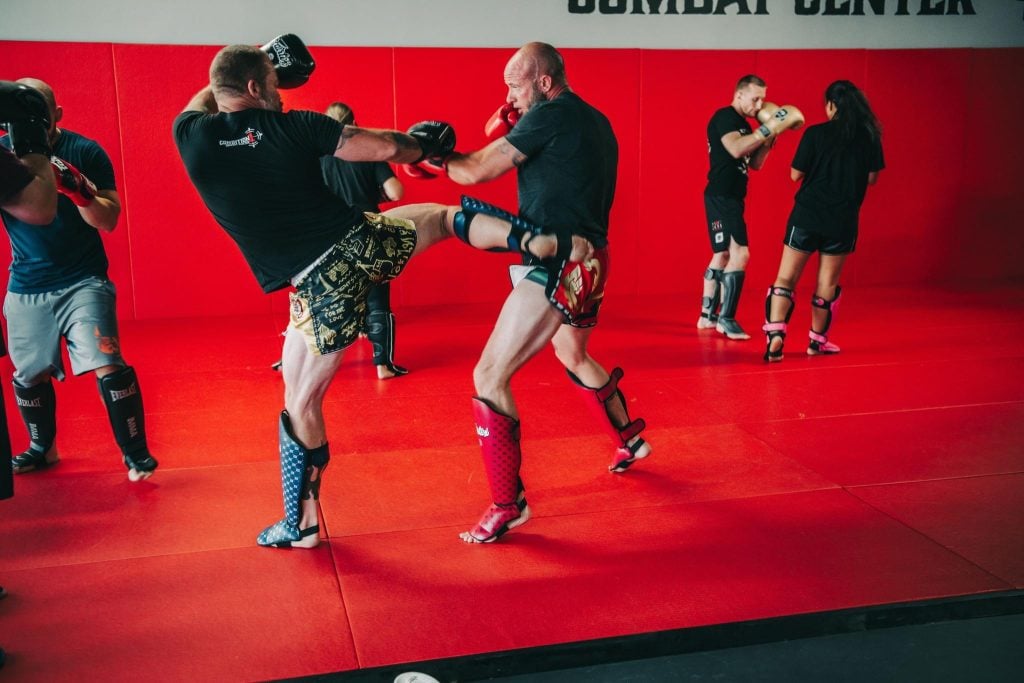
- Shin guards if you cross into Muay Thai
- A jump rope sized to your height
Footwear matters. Some athletes prefer boxing shoes for grip and ankle support, others stick with clean cross-trainers. Test both and see which helps your footwork without gluing you to the floor. Expect your calves and Achilles to talk to you the first few weeks as jump rope volume rises. Keep calf raises and ankle mobility in the mix to keep tendons happy.
Recovery you can actually stick to
Recovery is not a spa day, it is a set of small habits that keep you training. Sleep more. Eat enough protein and carbs around training. Hydrate. Do ten minutes of easy nasal breathing after the hardest sessions to bring your heart rate down and nudge your nervous system toward calm. A simple floor routine of hip openers, thoracic rotations, and neck isometrics two to three times a week prevents the most common stiffness patterns.
If you stack boxing with BJJ or Muay Thai, plan your heaviest lifting on days without sparring, and leave the day after sparring easier. Most recreational athletes do well on three to five total sessions weekly across modalities, not ten. More is not more if your technique degrades.
How the work transfers to other sports and life
Athletes from other sports often notice the gains first in unexpected places. A basketball guard finds better lateral bursts after eight weeks of disciplined footwork and jump rope. A cyclist reports stronger trunk stability and less shoulder fatigue on long rides. A volleyball hitter feels crisper hip rotation and landing mechanics. Even people who do not compete start moving their bodies with more intent. Carry groceries, climb stairs, hoist a kayak, and all of it feels a little more organized.
The psychological carryover is just as valuable. Boxing asks you to show up, put hands on tasks you cannot fake, and expose your mistakes without drama. That builds a grounded kind of confidence. You do not need to bark to feel competent. You stack clean sessions, you learn to pace, and your tolerance for effort grows quietly in the background.
A simple eight week arc that works
Imagine a new boxer training at the boxing gym Condition 1 Combat Center side, with one day a week in the muay thai gym and an optional beginner bjj class. Weeks one and two focus on stance, jab, guard returns, and footwork, with short mitt rounds and zero sparring. Weeks three and four add the cross, basic head movement, and doubles on the rope. Strength work stays in the 3 to 5 sets of 5 to 8 range for split squats, rows, and carries.
By week five, controlled partner drills begin, still no live sparring, but composure work increases. You add one to two short flurry intervals inside rounds. BJJ classes teach frames, hip escapes, and posture without submissions chasing. By week seven, a few two to three minute technical rounds at light contact allow the athlete to test distance and pacing safely. Week eight pulls volume back slightly, checks technique, and sets goals for the next phase. Across this stretch, you should see more stable footwork, cleaner breath control, and faster recovery between efforts. If the program is run by coaches who understand progression, you leave stronger and more coordinated, not just tired.
Metrics that help without turning training into a spreadsheet
You do not need a lab to track progress. Keep it simple. Note heart rate one minute after a hard round and watch it drop faster over weeks. Count clean double-unders per minute if you jump rope, and aim for steady gains. Film a few mitt rounds from the side and watch your feet instead of your hands. Look for fewer heel plants and cleaner pivots.
For conditioning, many athletes find value in occasional assault bike sprints to build anaerobic capacity without pounding their joints. Ten seconds hard, fifty seconds easy for ten rounds is enough for most. Done once a week for a month, it tends to move the needle. Use it sparingly and never stack it right before heavy skill days.
Culture, partners, and the difference a room makes
Facilities vary, but the rooms that produce growth are consistent on a few things. They care about clean technique more than theatrics, they set standards for how partners treat each other, and they meet people where they are. The community at an mma gym like Condition 1 Combat Center tends to be a mix of competitors, first responders, parents, and office workers who carve out ninety minutes to get better. That blend keeps egos in check. You might run rounds with a college wrestler one day and a high school teacher the next. Both make you sharper.
When you visit, look for engaged coaching during drills, not just during sparring. Ask about how the boxing program aligns with the muay thai schedule and whether brazilian jiu jitsu training options include foundations classes. If the website, such as mma gym condition1combat.com or bjj gym condition1combat.com, shows clear class descriptions and level guidelines, that is a good sign. So is a posted cleaning schedule and an intake process that includes a quick movement screen or at least a conversation about your training history.
Self-assessment and when to throttle back
Athleticism grows under consistent training you can recover from. If your shoulders ache more than 48 hours after sessions, or your calves bark every morning, back off volume and revisit technique. Tight fists, shrugged shoulders, and locked knees are effort leaks. A coach at a place like Condition 1 Combat Center can spot these quickly, but you can do your part. Shadowbox slowly in front of a mirror once a week. Watch for smooth hands that return to guard and feet that slide, not hop. Set a rule that your last round looks like your first in terms of mechanics, even if it is slower.
Using the full menu without overdoing it
Condition 1 Combat Center mma training programs, whether boxing-centric or more mixed, are attractive because they offer variety. Variety is only useful if it serves a plan. If your main goal is to improve athleticism for general life, two boxing sessions, one strength session, and one optional Muay Thai or BJJ class is plenty. If you are chasing a stamina goal, like a half marathon or a ruck event, use boxing to build coordination and speed, and tuck the longer aerobic work on separate days. Sport-specific athletes can periodize the mix: more boxing footwork and reaction work in the preseason to sharpen agility, then maintain with one technical session weekly during the competitive season.
Condition 1 Combat Center self defense classes can plug into any of those paths. They often run shorter, skill-focused blocks that build on the same foundations: stance, distance, timing, and calm decision making.
Final thoughts from the coach’s corner
A well-run boxing program builds athleticism because it asks your body and brain to organize force cleanly, repeatedly, and under time pressure. The sport punishes wasted motion and rewards smooth, economical movement. Paired with Muay Thai for hips and posture, and Brazilian jiu jitsu for frames and pressure, you end up with a durable chassis that performs across contexts. The environment matters. A room that values craft over chaos, and coaching over volume, will keep you progressing for years.
If you are weighing your options, a stop by the Condition 1 Combat Center boxing gym side, or a look at condition1combat.com boxing gym and condition1combat.com mma training pages, gives a sense of how the staff sequences skill and conditioning. Talk to the coaches, watch a class, and notice how athletes move between rounds. If you see people breathing through their nose, resetting their stance, and throwing crisp punches late in the hour, you have likely found a place that will make you athletic in the ways that stick.